What is green hydrogen?
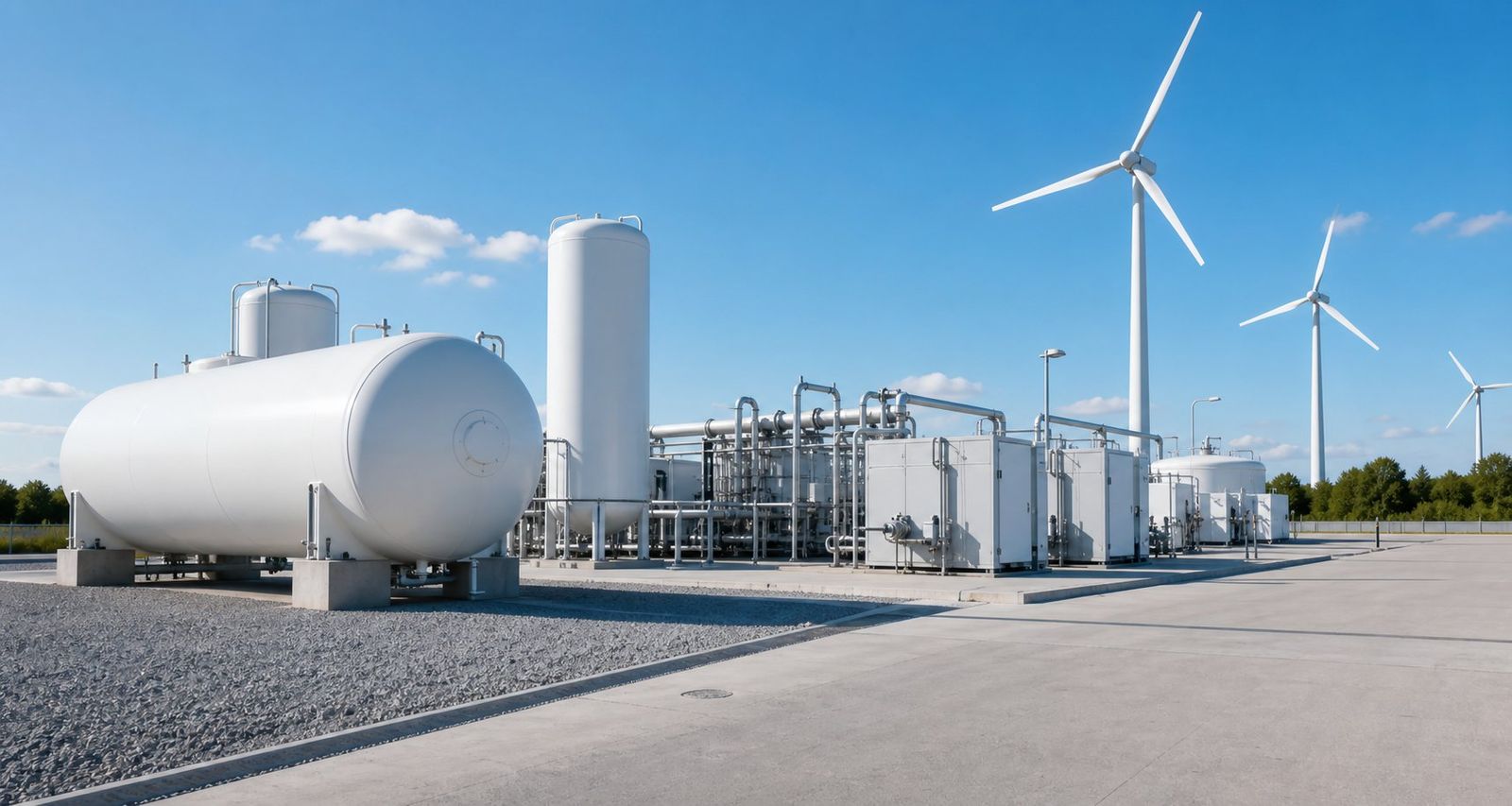
Green hydrogen is produced by water electrolysis powered entirely by renewable electricity — solar and wind — with zero carbon emissions. The equation is simple: 2H₂O + electricity → 2H₂ + O₂. When used as fuel, it yields only water.
Why ammonia?
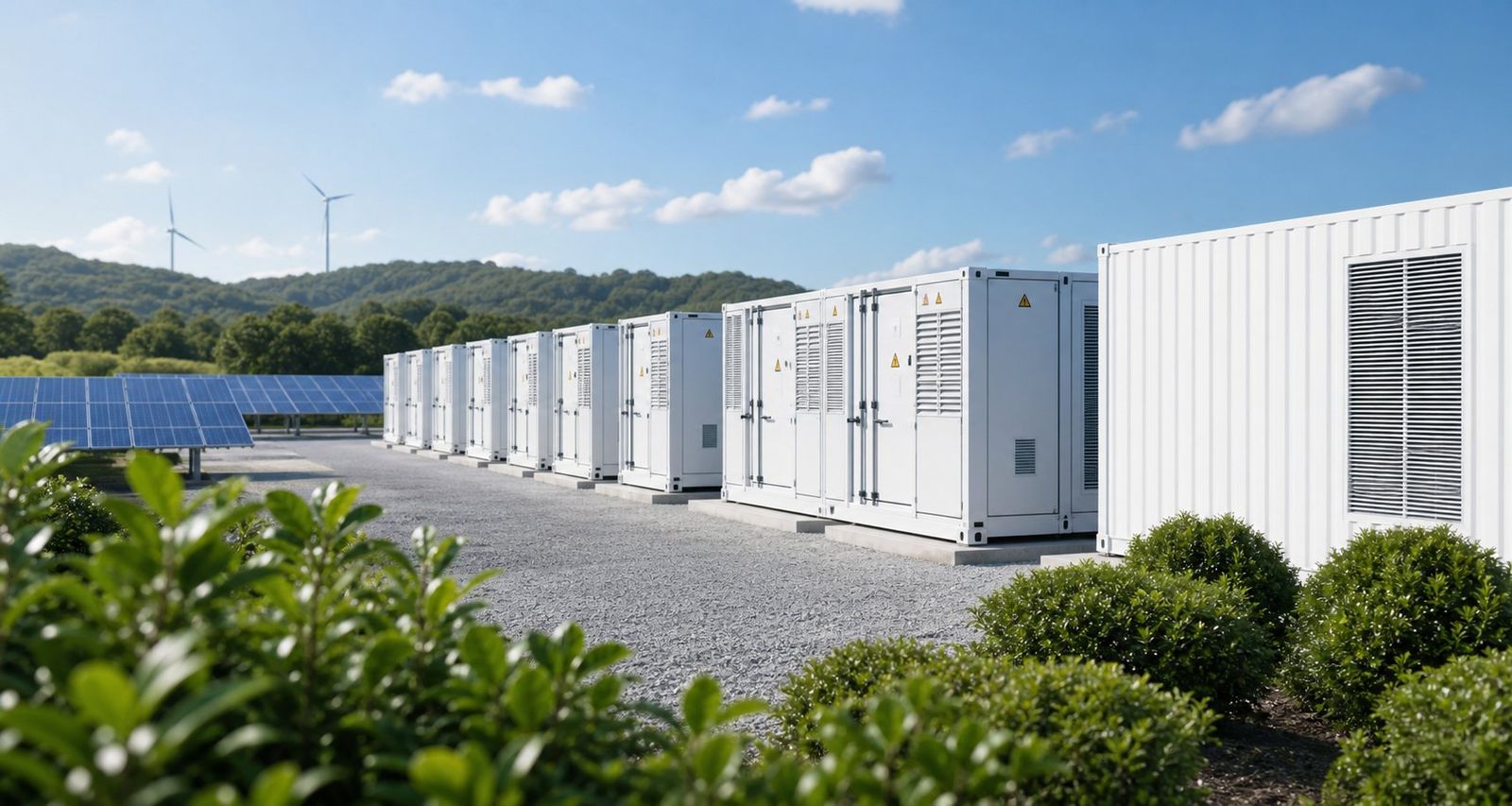
Shipping gaseous hydrogen across oceans is costly, so mega-projects convert it to green ammonia (NH₃) — an easier, cheaper medium for storage and transport — then crack it back at destination markets, especially Europe and Asia.
NEOM: a global landmark
- Investment: USD 8.4 billion — a joint venture of NEOM, ACWA Power and Air Products.
- Power: 4 GW of dedicated solar and wind generation.
- Electrolysers: 2.2 GW — among the world's largest electrolysis facilities.
- Output: about 600 tonnes of green hydrogen daily, converted into 1.2 million tonnes of green ammonia a year.
- Status: commissioning began in August 2026 after 90% construction completion, with first product expected in 2027.
Yanbu and the second project
The Kingdom's ambitions extend beyond NEOM: a second green hydrogen initiative in Yanbu on the Red Sea coast may host up to 4.4 GW of electrolysers, strengthening Saudi Arabia's position as a global clean-fuel supplier.
Why can the Kingdom lead this sector?
Three unique advantages converge: record-low-cost renewable power, a strategic location between Europe and Asia, and export infrastructure built over decades in the energy sector. That equation makes Saudi hydrogen among the most competitive in the world.